How to Source Fishing Lures from China: A Step-by-Step Guide for Tackle Brands
Short answer: define your range first, then shortlist 3 to 5 factories that already make the lure types you need, order paid samples, check the factory (in person, by video or through an inspection company), agree molds, colors and packaging in writing, and inspect every order before it ships. Most problems in lure sourcing come from unclear specifications, not from bad factories.
Step 1: Define your range
Before you contact suppliers, write down what you want to sell: lure types, sizes, weights, colors, hooks and the price you need to hit in your market. A simple spreadsheet with one row per item and a photo makes quotes faster and easier to compare. If you are starting a new brand, read how to start a private-label fishing tackle brand.
Step 2: Find factories
- Trade shows: ICAST (USA), EFTTEX (Europe), AFTA (Australia) and fishing tackle fairs in China are the fastest way to see products and meet factories in person.
- B2B platforms: useful for a first list, but many listings are trading companies.
- Search and referrals: factory websites, LinkedIn and introductions from other brands.
Step 3: Factory or trading company?
| Factory | Trading company | |
|---|---|---|
| Price | Usually lower | Adds a margin |
| Range | Deep in its own product types | Wide, from many factories |
| Technical control | Can change molds, paint and hardware | Depends on its factories |
| Communication | Direct with engineers and QC | One contact for everything |
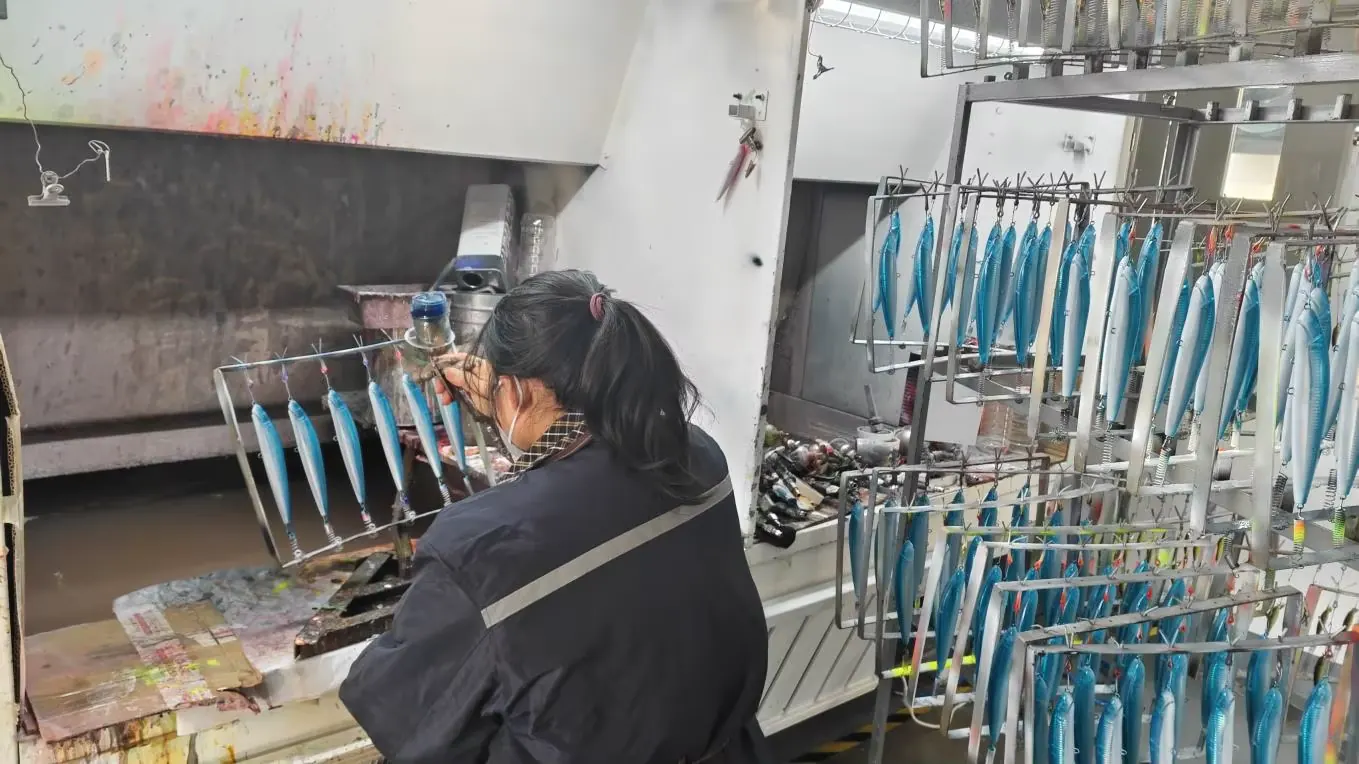
To check, ask for a video call from the production floor, photos of their molds and a list of the processes they do in house, such as injection molding, painting, assembly and swim testing. A factory can show these at short notice.
Step 4: Samples
- Order paid samples of each item, in your target colors where possible.
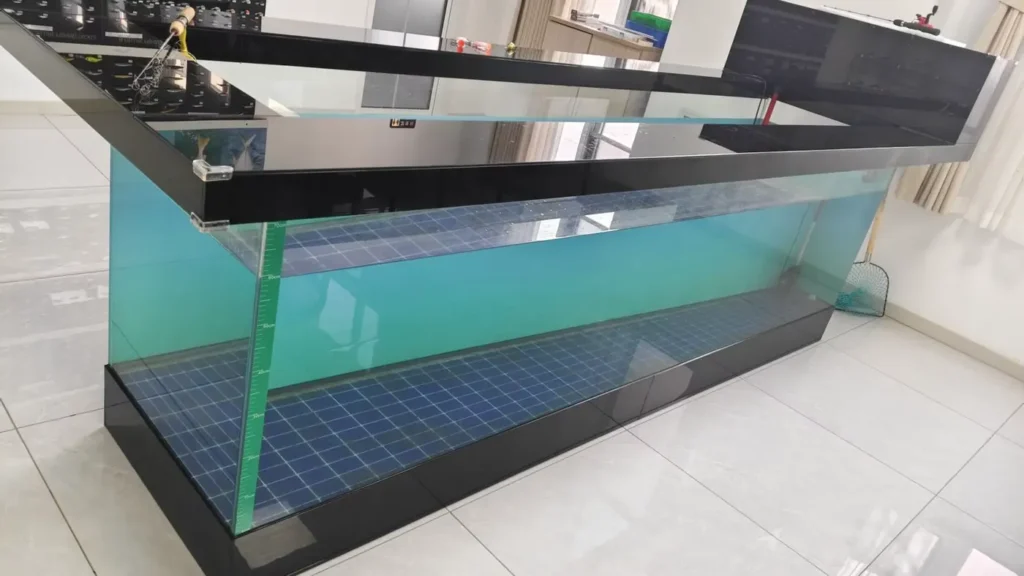
- Test swimming action, casting, balance, hooks and paint on the water, not only on the desk.
- Approve one golden sample per item and keep it. It becomes the standard for bulk production and reorders.
Step 5: Molds and IP
If you need a new shape, the factory makes a new mold from your drawing, sample or 3D file. Agree in writing who owns the mold, that the factory will not sell your design to other buyers, and what happens to the mold if you stop ordering. Many brands use an NNN (non-disclosure, non-use, non-circumvention) agreement for custom designs.
Step 6: Order terms
- MOQ: stock models and colors have low minimums; custom colors and printed packaging need more. See our guide to MOQ, samples, payment and shipping.
- Payment: a deposit (often 30%) with the balance before shipping is common for new buyers.
- Lead time: usually 25 to 45 days for stock molds with custom colors; longer for new molds and custom packaging.
Step 7: Quality inspection
Inspect before the balance payment. A pre-shipment inspection checks colors against the golden sample, swimming action on a sample of lures, hook sharpness, paint adhesion, split rings, counts and packaging. You can do it yourself, send an agent or use a third-party inspection company.
Step 8: Shipping and landed cost
Lures are small and light, so many buyers ship by express or air for first orders and by sea freight for larger orders. When you compare prices, calculate the landed cost: product, packaging, freight, insurance, import duty, customs fees and local delivery. Duty rates change, so check the current rate for your country with your customs broker before you order.
FAQ
How many factories should I get quotes from?
Three to five is usually enough. More quotes take more time to compare and rarely change the result.
Can I visit your factory?
Yes. Buyers are welcome to visit, and we can also do a live video tour of production.
Do you sign NDAs for new designs?
Yes. We sign confidentiality agreements for customer designs and do not sell custom molds to other buyers.