
Best Soft Plastics for Flathead in Australia: Sizes, Jig Head Weights, Colours and Techniques
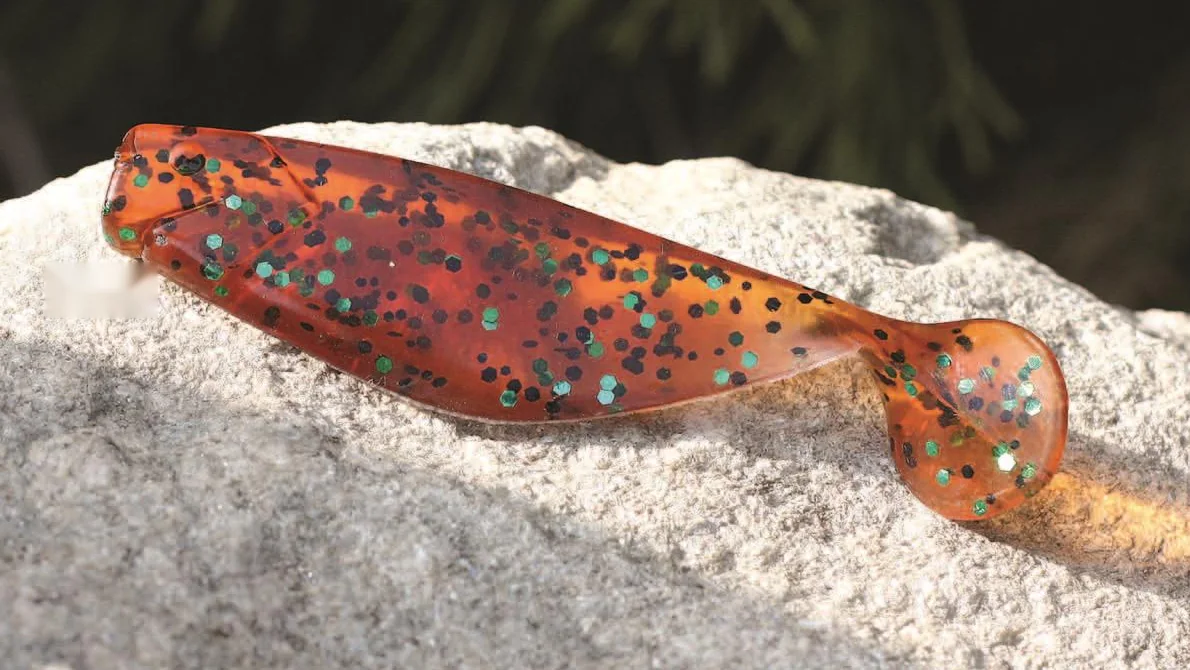
Short answer: for estuary dusky flathead, use 3–4 inch paddle tails or curl tails on 1/8–1/4 oz jig heads with 1/0–2/0 hooks, hopped slowly along sand and mud drop-offs. Go up to 5–6 inch plastics for big “crocodile” flatties, and to 3/8–1/2 oz heads for sand flathead in deeper bays and offshore. Natural colours (pumpkinseed, nuclear chicken, motor oil, pearl) and bright pinks and chartreuse all have their days.
Plastics that work
| Plastic | Size | Why it works |
|---|---|---|
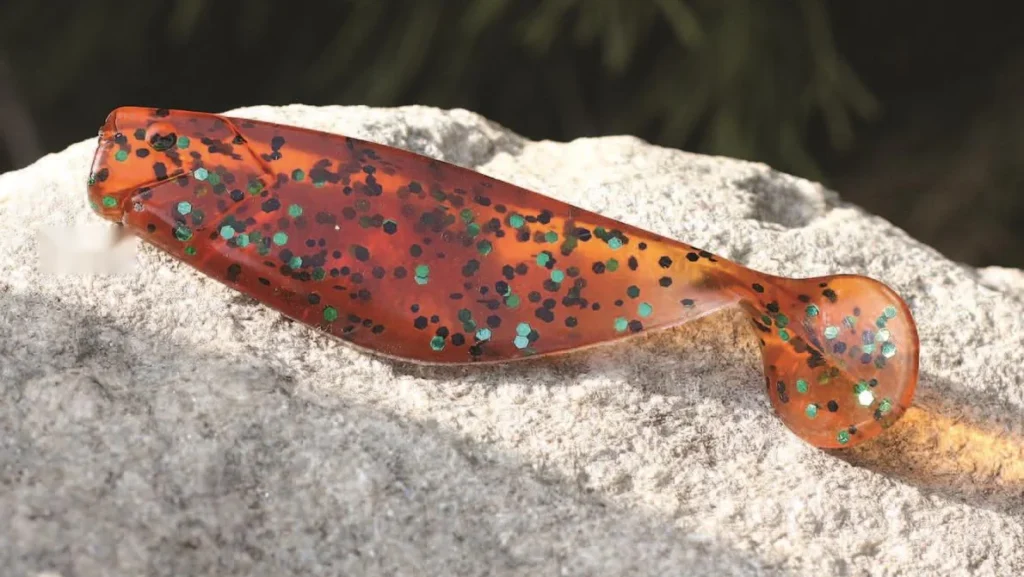
| Paddle tail | 3–4 in; 5–6 in for big duskies | Tail thumps even on a slow hop; the default flathead plastic |
| Curl tail grub | 3–4 in | Tail flutters on the drop, when most hits come |
| Prawn imitation | 3–4 in | Imitates the prawns flathead feed on; good in clear water |
| Jerkshad / soft stickbait | 4–5 in | Darting action on a lift-and-drop |
| Soft vibe | 60–95 mm | Hopped over the flats to cover ground |
Jig head weight and hook
| Depth and current | Jig head | Hook |
|---|---|---|
| Shallow flats, under 1.5 m | 1/12–1/8 oz | 1/0 |
| Estuary drop-offs 1.5–4 m | 1/8–1/4 oz | 1/0–2/0 |
| Channels, run-out tides | 1/4–3/8 oz | 2/0–3/0 |
| Sand flathead in bays and offshore | 3/8–1 oz | 2/0–4/0 |
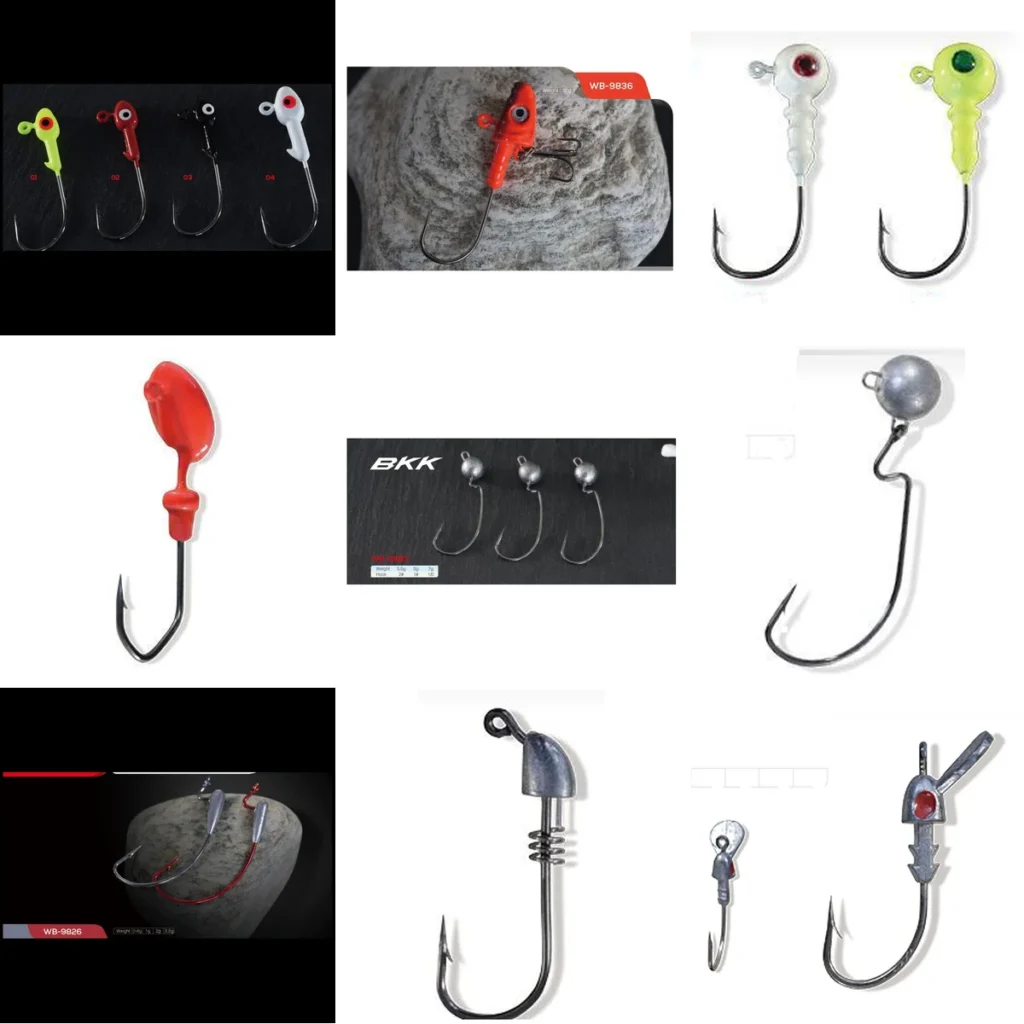
Use the lightest head that keeps contact with the bottom: the plastic should hit the bottom every 1–2 seconds on the drop. Round and bullet heads are standard; fish-head and swimbait heads suit bigger paddle tails.
Technique
- Cast up-current and let the plastic sink to the bottom.
- Lift the rod tip sharply 30–60 cm (two short hops), then let the plastic fall back on a semi-slack line.
- Most hits come on the drop: watch the line and strike on any tick or sideways movement.
- Work drop-offs, weed edges, drains and sand banks on the run-out tide.
Line and leader
6–10 lb braid on a 2500 spinning reel with a 12–20 lb fluorocarbon leader, about a rod length. Flathead have rough jaws and gill rakers, so check the leader after every fish.
Colours by water
| Water | Colours |
|---|---|
| Clear | Pearl, ghost, prawn, natural baitfish |
| Tannin and stained | Motor oil, pumpkinseed, gold glitter |
| Dirty after rain | Chartreuse, pink, nuclear chicken, black |
FAQ
What size plastic for flathead?
3–4 inch for most estuary flathead; 5–6 inch for big duskies over 70 cm.
What jig head weight for flathead?
1/8 oz is the most used in estuaries; 1/4 oz for deeper water or strong tide.
Best time to fish for flathead?
The run-out tide, when baitfish and prawns are flushed off the flats into the channels where flathead wait.
More: Australian saltwater lures guide and soft vibes vs metal blades.
Sourcing this tackle for your shop or brand
We supply Australian tackle shops, online sellers and private-label brands direct from our factory. Soft plastics start from 3,000 pcs per size per colour, hard bodies and vibes from 500 pcs per size per colour, private-label braid and leader from 50 spools; MOQ for jig heads and terminal tackle is confirmed in your quote. Stock samples ship within 2 working days after payment, and we quote FOB, CIF or DDP to Australia. Send us your list for a quote.
More on this topic: Australian fishing guides: lures, line and rigs by species.